5-7 May 2026, Johannesburg, South Africa
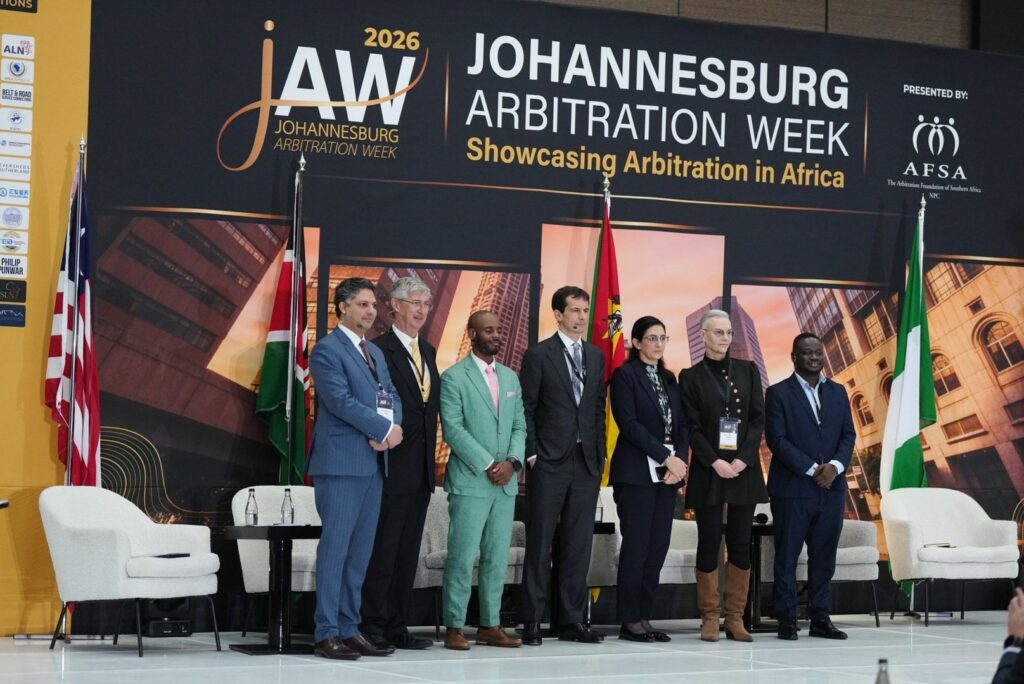
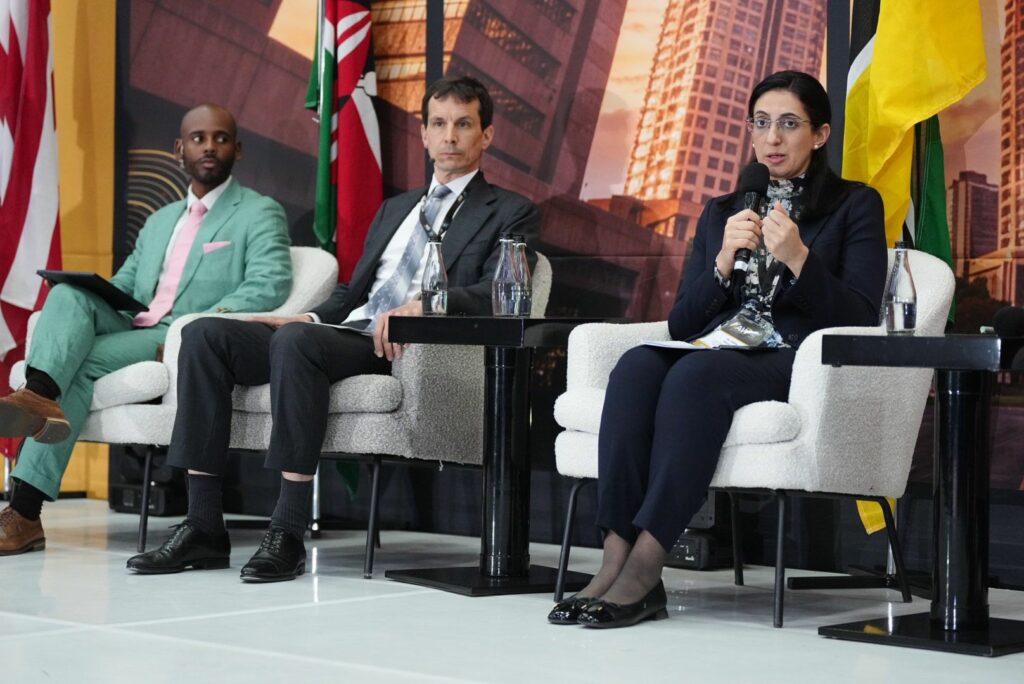
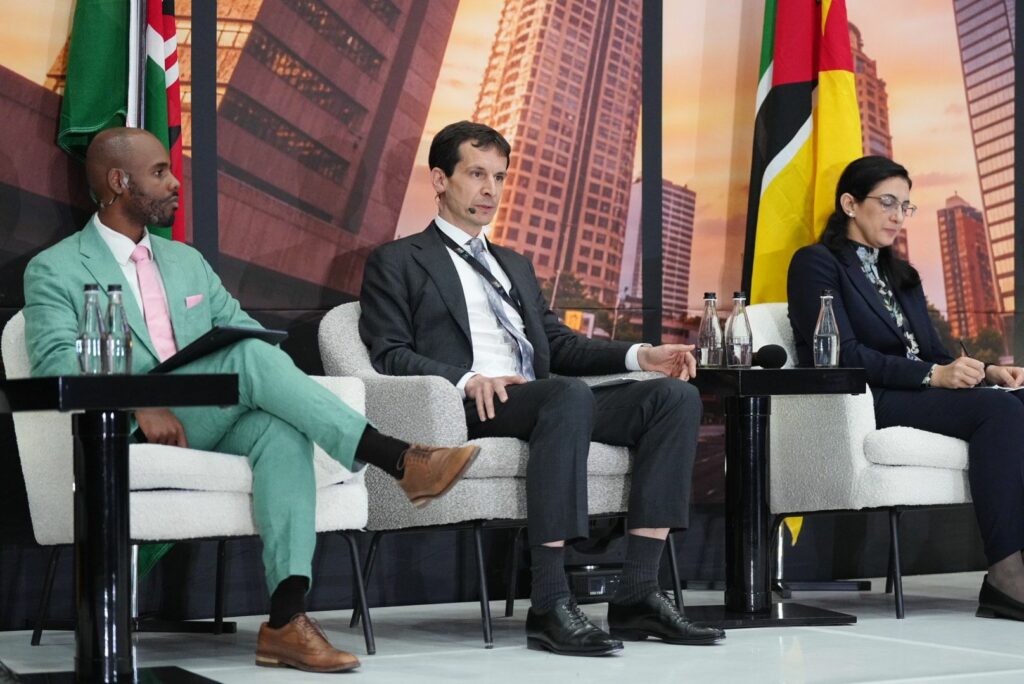
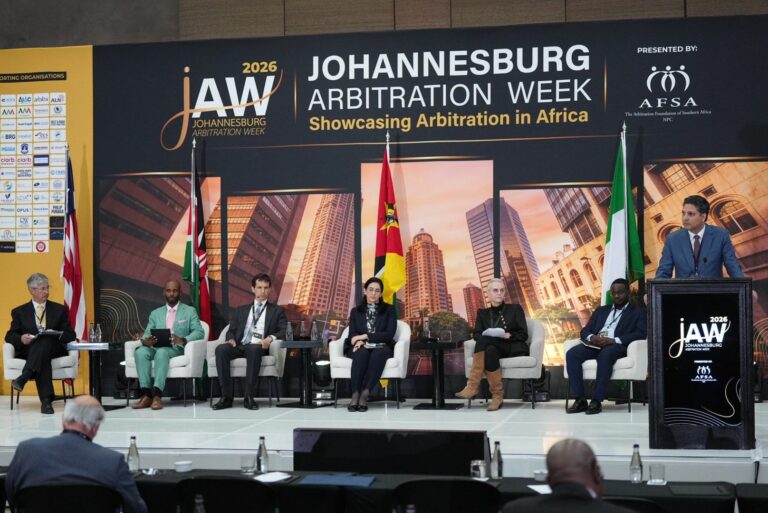
The Cairo Regional Centre for International Commercial Arbitration (CRCICA) participated in #JAW2026 through the session entitled, “Collaborating for Credibility: Institutional Cooperation and the Future of Arbitration in Africa.”
The session was moderated by Dr. Jamsheed Peeroo of the Bar of England and Wales, 36 Stone, and the Mauritian Bar (Peeroo Chambers), and brought together a distinguished panel of representatives from leading arbitral institutions and international dispute resolution organizations from across Africa and beyond.
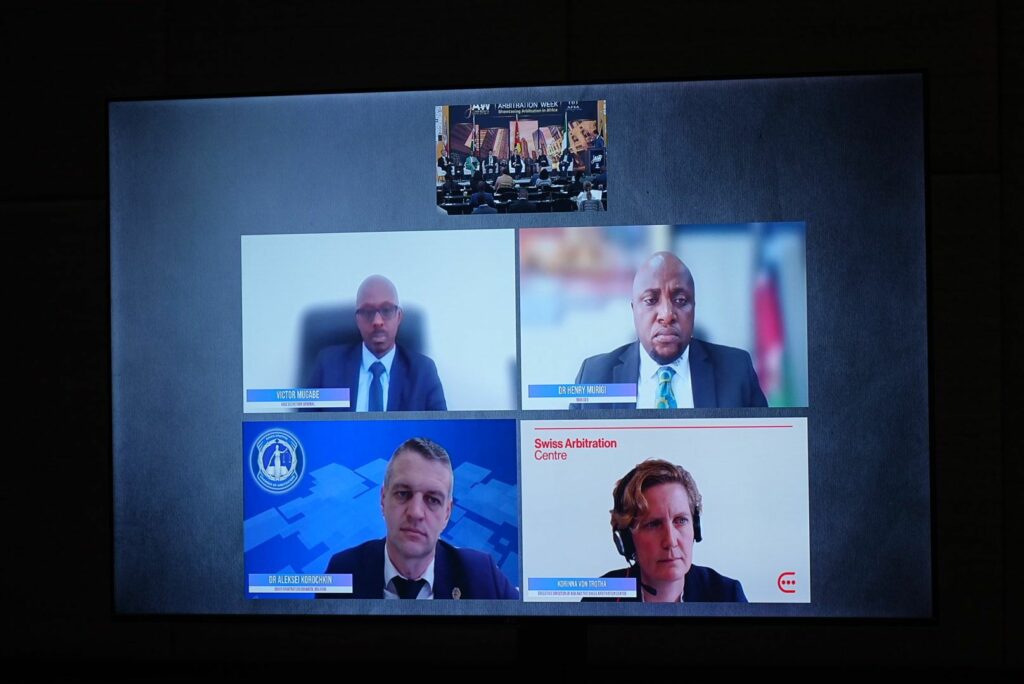
Dr. Dalia Hussein, Director of CRCICA, participated alongside Advocate Svetlana Vasileva-Stratenwerth, Secretary General of the Arbitration Foundation of Southern Africa (AFSA); Dr. Henry Murigi, CEO of NCIA; Victor Mugabe, Secretary General of KIAC; Karim M’ziani, Legal Counsel at the PCA and Registrar of MIAC; Korinna von Trotha, Executive Director of ASA and the Swiss Arbitration Centre; Advocate Henk Louw, Chair of the Chartered Institute of Arbitrators (Ciarb) South Africa Branch; Dr. Aleksei Korochkin, FCIArb, Chair of the Arbitration Chamber of Belarus; and Dr. John Nyanje of the Africa Germany Arbitration Cooperation AfGAC and LawCom.Institute.
The session explored the evolving role of institutional cooperation in strengthening the credibility, efficiency, and international integration of arbitration in Africa. Discussions addressed how collaboration among arbitral institutions contributes to capacity building, exchange of expertise, development of arbitration and mediation frameworks, and the enhancement of hearing facilities and procedural standards across jurisdictions.
The panelists also highlighted the growing importance of regional and international partnerships in enhancing institutional credibility, strengthening user confidence, and supporting the continued development of arbitration both within Africa and globally. Particular attention was given to the practical dimensions of institutional cooperation, including the implementation of Memoranda of Understanding, accountability mechanisms, and the importance of ensuring that institutional partnerships lead to tangible and sustainable outcomes.
The discussions further addressed several recurring challenges facing arbitral institutions, including procedural inefficiencies, pathological arbitration clauses, technological developments within dispute resolution processes, and the ongoing interaction between ad hoc and institutional arbitration.
The session concluded by reaffirming that meaningful institutional cooperation — whether formal or informal — remains a cornerstone in building a stronger, more connected, and globally credible arbitration ecosystem for the future.