Tunis – 12 June 2026
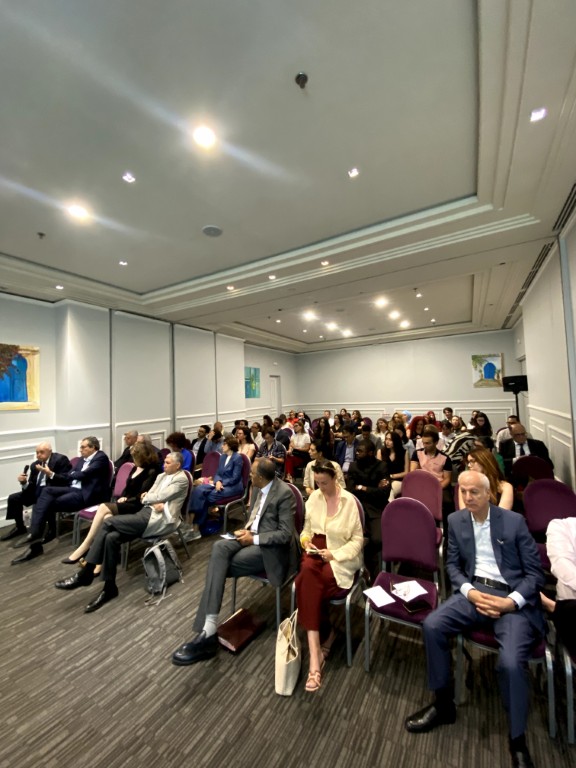
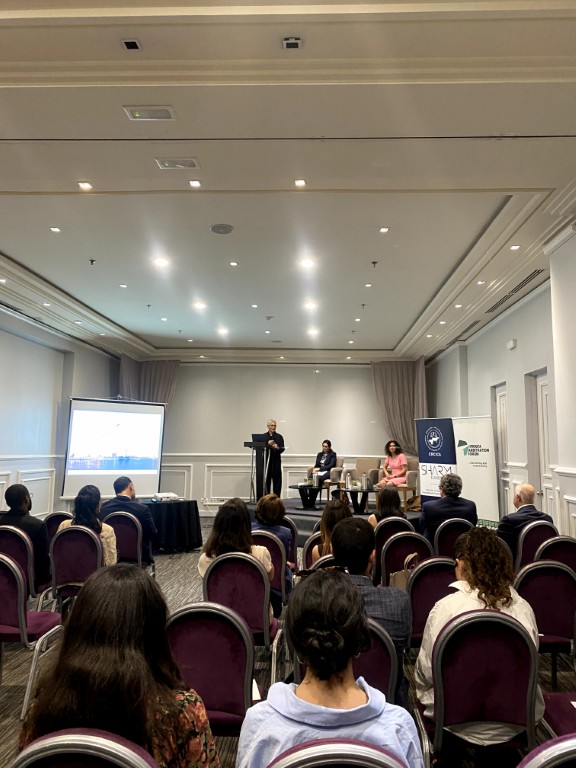
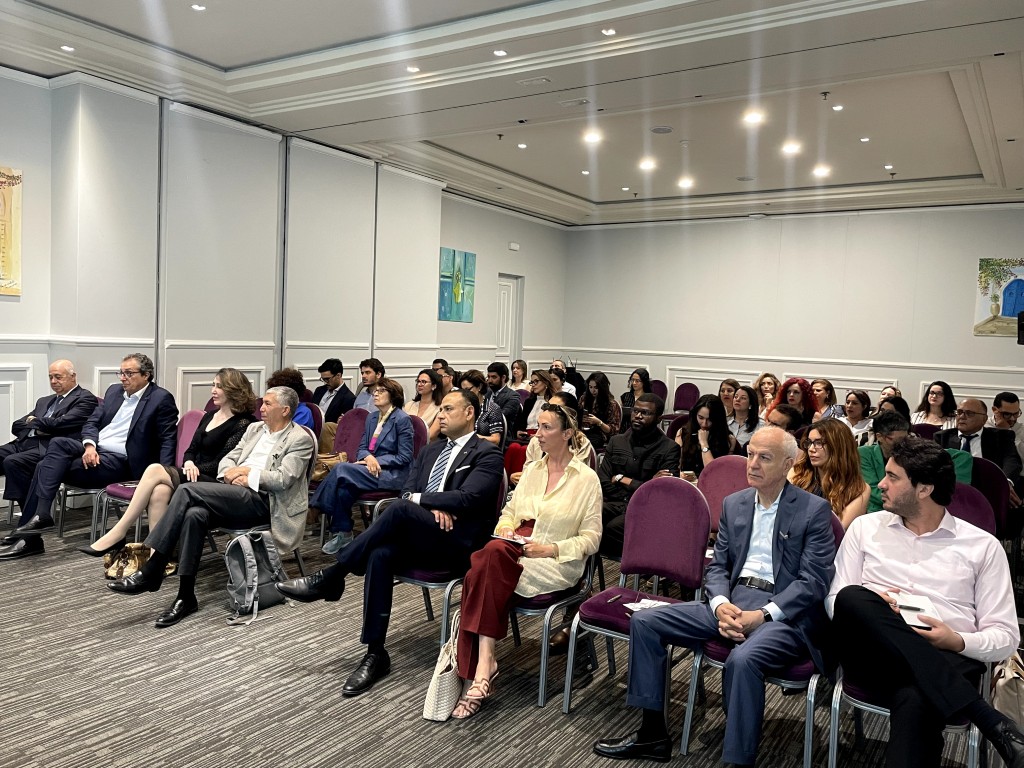
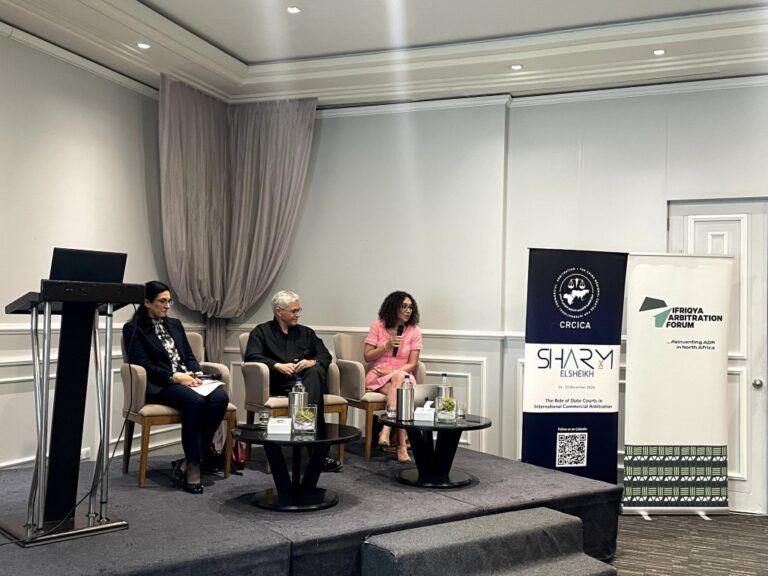
Following its commitment to promoting international legal dialogue, the Cairo Regional Centre for International Commercial Arbitration (CRCICA) successfully organized a session on June 12, 2026, at the Sheraton Tunis Hotel. Organized as a featured segment of the prestigious Maghreb Arbitration & ADR Days, the session addressed a pivotal theme in contemporary dispute resolution: “Institutional Arbitration: Between Global Harmonization and Regional Realities”. The gathering brought together leading arbitration practitioners, legal academics, and corporate counsel to explore how arbitral institutions navigate the delicate balance between global standards and the unique legislative, economic, and practical landscapes shaping arbitration practice across North Africa.
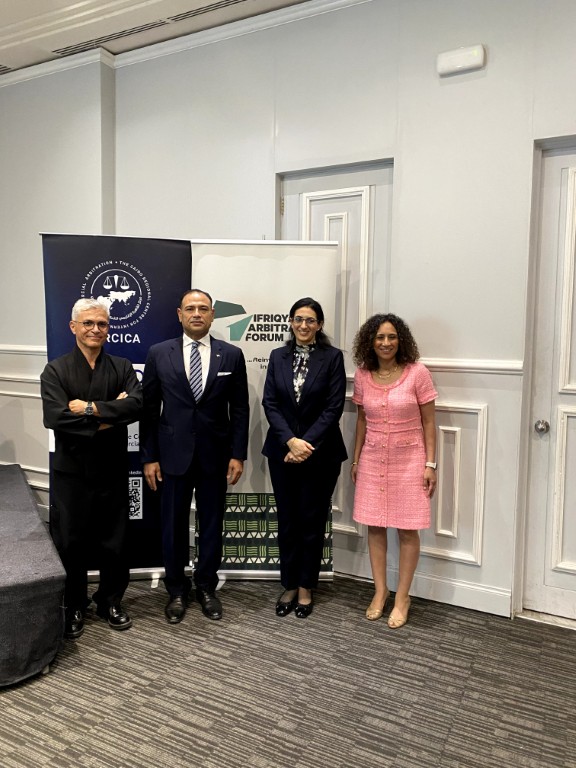
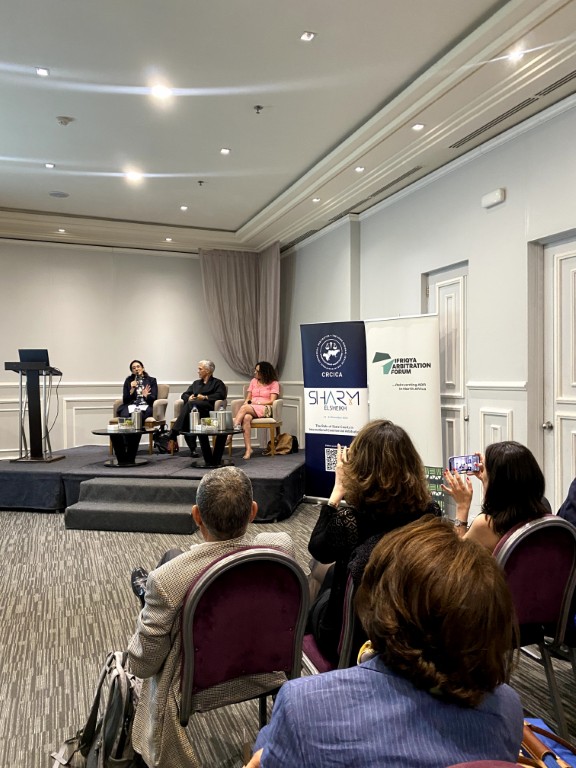
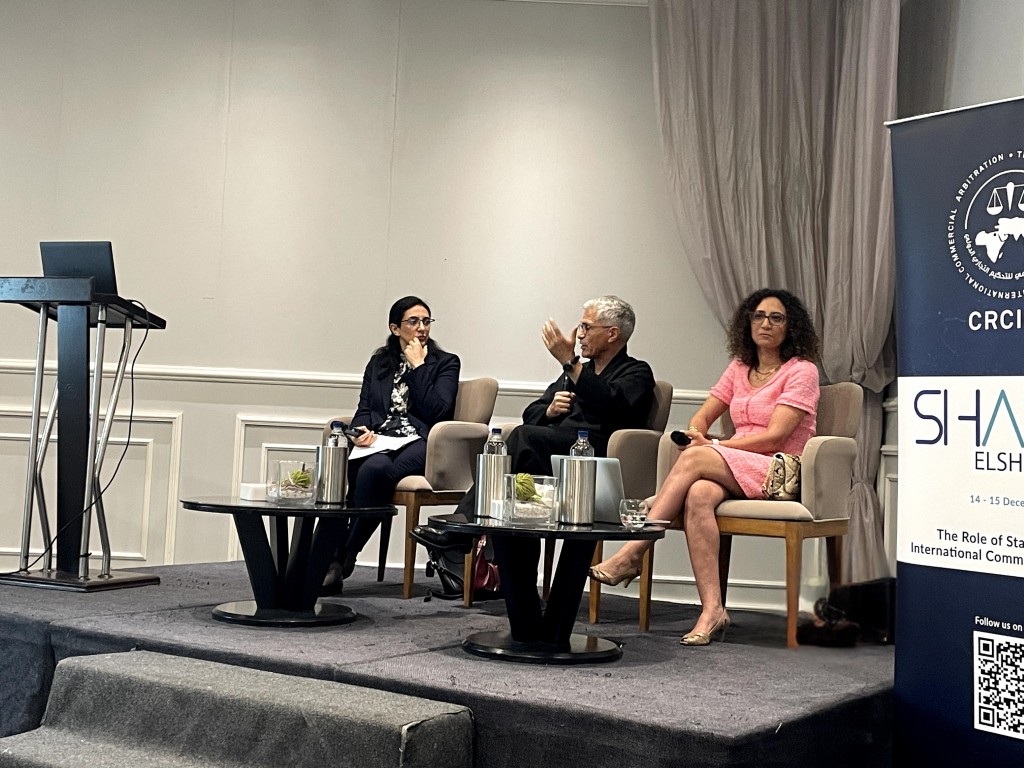
The session, conducted in French, commenced with a welcoming address by Dr. Dalia Hussein, Director of CRCICA, who introduced the Centre and highlighted the key updates and modernization features of the recently launched 2024 CRCICA Arbitration Rules. Following this introduction, the distinguished panel—featuring Dr. Dalia Hussein, Mr. Sami Houerbi (Counsel & Arbitrator), and Dr. Sally El Sawah (Co-Founder and Head of Arbitration & Litigation at Junction – Paris)—engaged in a comprehensive discussion on the perceptible aspects of global harmonization in dispute resolution today. The panellists examined the unique specificities characterizing the Maghreb region in the field of dispute resolution and assessed the extent to which North African jurisdictions are successfully adapting to international harmonization trends, particularly regarding the adoption and reception of international soft law instruments.
A significant portion of the debate focused on the delicate intersection of local legal traditions and international expectations. The speakers evaluated how regional cultural influences and deep-rooted legal traditions sometimes create operational tensions with global arbitration standards. They pinpointed the primary challenges currently confronting institutional arbitration in the region, focusing closely on the management of costs, the enforcement of arbitral awards, the evolving relationship between arbitral institutions and national state courts, and the pressing need to integrate new digital technologies into the administration of proceedings.
The panel also directly addressed critical statistics indicating that a majority of arbitrations connected to the Maghreb region continue to select arbitral seats outside of North Africa, analyzing the underlying reasons for this trend and proposing actionable strategies to enhance the legal and infrastructural attractiveness of local seats. Furthermore, the experts scrutinized why regional disputes are frequently entrusted to international arbitrators from outside the Maghreb, debating whether a genuine deficit in training and specialization exists among local practitioners when dealing with complex sectors such as energy, finance, or intellectual property. The session concluded with a strategic forward-looking question focused on how local arbitral institutions can actively strengthen the confidence of foreign investors in the region’s dispute resolution framework.
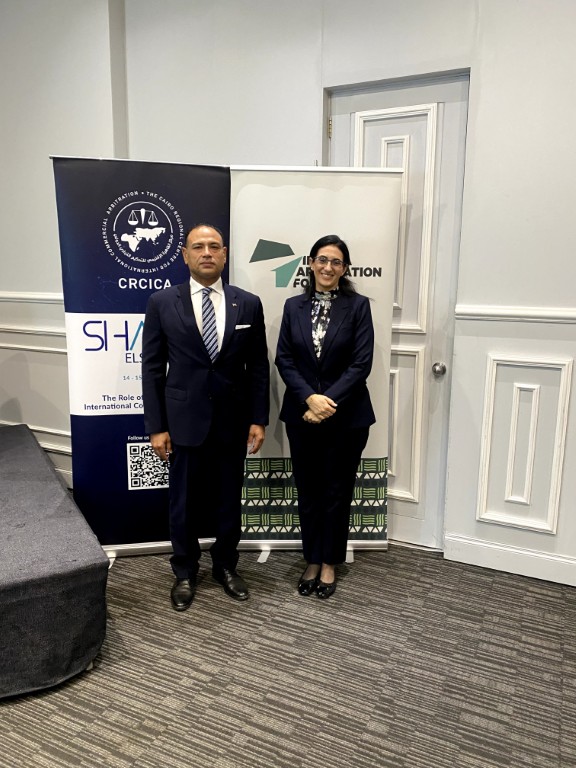
CRCICA extends its profound gratitude and warmest thanks to the organizing party, the Ifriqya Arbitration Forum, for their exceptional management, professional dedication, and gracious hospitality throughout the Maghreb Arbitration & ADR Days. The flawless coordination and warm reception provided by the Ifriqya team were instrumental in making this joint session an outstanding success. CRCICA highly values this collaboration, which underscores a shared institutional commitment to elevating the practice of international arbitration across the region, and looks forward to continuing this fruitful partnership in future legal milestones.